
Transportation Review

Railroad Safety Training and Consulting Services

Railroad Safety Training and Consulting Services refers to the specialized transportation sector focused on workforce training, regulatory compliance, risk management, and operational safety within railway and rail infrastructure environments. Companies in this category help rail operators, contractors, and transit organizations strengthen safety standards, reduce incidents, improve preparedness, and maintain compliance with evolving industry regulations.

Axiom Rail Services: Building Compliance Certainty in High-Risk Rail Environments
Axiom Rail Services
Building Compliance Certainty in High-Risk Rail Environments
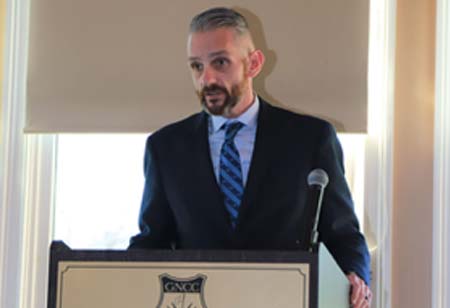
Joseph J. Porro, President
For transload facilities, safety compliance is not just another requirement. It determines whether facilities remain operational, risk is controlled and growth plans move forward. Gaps in compliance shows up as shutdowns, fines, operational bottlenecks and incidents that can stall or permanently alter a facility’s trajectory. Transload facilities and short-line operators need partners who assume responsibility for sustaining compliance, not firms limited to one-time deliverables.

Elevating Railroad Safety through Expert Training Solutions

The railroad industry is a critical component of global transportation, facilitating the efficient movement of goods and passengers across vast distances. Despite its long-standing history and importance, the sector faces significant safety challenges. From hazardous materials to complex operational systems, ensuring the safety of railroad workers and the communities they serve is paramount. This is where specialized railroad safety training and consulting services come into play.

Choosing A Partner For Railroad Safety Training And Compliance

Rail operations continue to face mounting pressure from regulators, insurers and downstream customers, particularly in environments where rail interfaces directly with trucking, marine transport or industrial facilities. Safety failures no longer stay isolated to a single site. A single incident can trigger multi-agency scrutiny, operational shutdowns and long-term reputational damage. For executives responsible for rail safety training and compliance, the challenge is less about understanding the rules and more about sustaining consistent adherence across varied locations, workforces and risk profiles.

Improving Quality with Receptive Operations
Greyhound Lines
Improving Quality with Receptive Operations
Matt Maglio, Regional Vice President

Matt Maglio began his career as a bus driver, drawn to the excitement of being on the road and connecting with passengers. His passion for driving large vehicles and ensuring a positive travel experience made his role not just a job but a calling. Early in his career, he was inspired by supportive managers who recognized his potential beyond driving. One pivotal moment came when a manager asked him if he was interested in operations. Embracing the challenge, Maglio found himself thriving in this dynamic field, quickly learning the ropes and developing a passion for the fast-paced environment of transportation operations.

Railroad Safety Training and Consulting Services Info

Q1
What Do Companies Offering Top Railroad Safety Training and Consulting Services Provide?
Top Railroad Safety Training and Consulting Services help rail operators, contractors, industrial facilities and transportation organizations improve workplace safety, regulatory compliance and incident prevention across rail environments. These services are commonly used by freight rail companies, short-line railroads, rail construction firms and businesses operating near active rail corridors. Many Top Railroad Safety Training and Consulting Services include employee safety instruction, roadway worker protection training, rail compliance assessments, operating-rule education and on-site safety audits. Railroad safety consultants may also assist with accident investigations, hazard analysis and rail-specific risk management programs designed to support safer daily operations.
Q2
What Services Are Commonly Included in Railroad Safety Consulting Programs?
A typical program within Top Railroad Safety Training and Consulting Services may include classroom instruction, field-based training, compliance documentation review and operational safety evaluations. Some railroad safety consulting companies also provide track safety guidance, contractor qualification support and emergency-response preparedness training. Railroad safety training services are often tailored to the operational environment and workforce responsibilities of each client. Industrial facilities with private rail access may require different safety procedures than freight rail operators or rail maintenance contractors. Many Top Railroad Safety Training and Consulting Services also help organizations interpret Federal Railroad Administration requirements and improve internal safety reporting processes.
Q3
Why Is Demand Growing for Railroad Safety Training and Consulting Services?
Demand for Top Railroad Safety Training and Consulting Services continues to grow as rail operators and industrial businesses face increasing pressure to improve worker safety, reduce incident exposure and maintain regulatory compliance. Expanding freight activity and infrastructure investment across North America have also increased the number of contractors and employees working near active rail systems. Organizations are placing greater emphasis on preventative safety strategies because rail-related incidents can lead to operational disruptions, injuries, regulatory penalties and reputational damage. Many businesses operating rail-served facilities also seek outside railroad safety consultants because rail regulations and operating procedures require specialized expertise that internal teams may not maintain regularly. Demand is also influenced by workforce turnover and the need for recurring rail safety education across transportation and industrial sectors.
Q4
How Are Top Railroad Safety Training and Consulting Services Evaluated?
Organizations evaluating Top Railroad Safety Training and Consulting Services often consider industry experience, instructor qualifications and familiarity with railroad operating regulations. Buyers may also assess whether consulting firms provide practical field knowledge in addition to classroom-based instruction. Railroad safety consulting companies are frequently evaluated on training customization, incident-response capabilities and their ability to support both regulatory compliance and day-to-day operational safety. Some providers focus on contractor safety programs while others specialize in rail operations, industrial switching environments or railroad construction projects. Top Railroad Safety Training and Consulting Services are generally expected to deliver accurate guidance that reflects real rail operating conditions and current compliance expectations.
Q5
What Value Do Railroad Safety Training and Consulting Services Deliver?
Top Railroad Safety Training and Consulting Services help organizations reduce accident risk, improve workforce preparedness and strengthen compliance management across rail operations. Effective safety programs may also contribute to fewer operational interruptions and lower exposure to liability claims or regulatory enforcement actions. Railroad safety training services can improve communication between crews, contractors and facility operators while reinforcing consistent safety procedures across job sites. For rail-served industrial facilities, consulting support may help reduce confusion around rail-access responsibilities and employee protection requirements. Many organizations also use Top Railroad Safety Training and Consulting Services to support insurance reviews, contractor qualification standards and long-term safety culture improvement.
Q6
What Role Do Technology and Expertise Play in Railroad Safety Consulting?
Technical expertise is central to Top Railroad Safety Training and Consulting Services because railroad operations involve complex rules, specialized equipment and constantly changing operational conditions. Safety consultants must understand rail procedures, hazard recognition and federal safety requirements while adapting programs to different work environments. Innovation in railroad safety consulting increasingly includes digital learning platforms, remote compliance tracking, simulation-based instruction and electronic documentation systems. Some railroad safety consulting companies also use incident-tracking tools and analytics to identify recurring risk patterns and improve training effectiveness. As rail operations continue modernizing, Top Railroad Safety Training and Consulting Services are using technology and field expertise to support safer and more consistent operational practices.