
Thank you for Subscribing to Transportation Review Weekly Brief
ARTS 2025 Shanghai to Showcase Global Innovations in Smart and Sustainable Rail Transit
Transportation Review | Friday, October 31, 2025
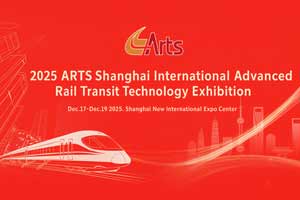
The 2025 ARTS Shanghai International Advanced Rail Transit Technology Exhibition (ARTS 2025) will be held from December 17–19, 2025, at the Shanghai New International Expo Centre. With an exhibition area of 20,000 square meters and more than 25,000 professional visitors expected from over 40 countries, ARTS 2025 stands as one of Asia’s most influential platforms for rail transit technology and industrial collaboration.
 Organized by Sgexpo (Shanghai) Co., Ltd., ARTS 2025 will bring together leading metro operators, system integrators, rolling stock manufacturers, and infrastructure solution providers. The exhibition will focus on six key themes: smart rail systems, green and low-carbon mobility, intelligent operation and maintenance, infrastructure innovation, integrated transport networks, and new productive forces driving the next generation of urban transit.
In parallel with the exhibition, a series of high-level forums and matchmaking activities will be held, inviting senior executives, technical experts, and decision-makers from metro corporations, design institutes, and research organizations. Discussions will center on digital transformation, intelligent management, and sustainable development in the rail industry.
ARTS 2025 is co-located with the Shanghai International Bus Exhibition (CIBE 2025), jointly presenting the concept of “Four-Network Integration” — the deep connection between rail, bus, intercity, and freight transport systems. This dual exhibition format aims to accelerate synergy across modes and promote innovation throughout the mobility ecosystem.
With strong participation from domestic and international organizations, ARTS 2025 will continue to serve as a vital bridge for technology exchange, business cooperation, and policy dialogue in the global rail transit community.
Organized by Sgexpo (Shanghai) Co., Ltd., ARTS 2025 will bring together leading metro operators, system integrators, rolling stock manufacturers, and infrastructure solution providers. The exhibition will focus on six key themes: smart rail systems, green and low-carbon mobility, intelligent operation and maintenance, infrastructure innovation, integrated transport networks, and new productive forces driving the next generation of urban transit.
In parallel with the exhibition, a series of high-level forums and matchmaking activities will be held, inviting senior executives, technical experts, and decision-makers from metro corporations, design institutes, and research organizations. Discussions will center on digital transformation, intelligent management, and sustainable development in the rail industry.
ARTS 2025 is co-located with the Shanghai International Bus Exhibition (CIBE 2025), jointly presenting the concept of “Four-Network Integration” — the deep connection between rail, bus, intercity, and freight transport systems. This dual exhibition format aims to accelerate synergy across modes and promote innovation throughout the mobility ecosystem.
With strong participation from domestic and international organizations, ARTS 2025 will continue to serve as a vital bridge for technology exchange, business cooperation, and policy dialogue in the global rail transit community.
Organized by Sgexpo (Shanghai) Co., Ltd., ARTS 2025 will bring together leading metro operators, system integrators, rolling stock manufacturers, and infrastructure solution providers. The exhibition will focus on six key themes: smart rail systems, green and low-carbon mobility, intelligent operation and maintenance, infrastructure innovation, integrated transport networks, and new productive forces driving the next generation of urban transit.
In parallel with the exhibition, a series of high-level forums and matchmaking activities will be held, inviting senior executives, technical experts, and decision-makers from metro corporations, design institutes, and research organizations. Discussions will center on digital transformation, intelligent management, and sustainable development in the rail industry.
ARTS 2025 is co-located with the Shanghai International Bus Exhibition (CIBE 2025), jointly presenting the concept of “Four-Network Integration” — the deep connection between rail, bus, intercity, and freight transport systems. This dual exhibition format aims to accelerate synergy across modes and promote innovation throughout the mobility ecosystem.
With strong participation from domestic and international organizations, ARTS 2025 will continue to serve as a vital bridge for technology exchange, business cooperation, and policy dialogue in the global rail transit community.More in News
Some major trends impacting the logistics industry include threats of government interference, the expansion of RFID technology, and demands for enhanced transparency.
Logistics is a global economic development generator, and recent events have accelerated the industry's evolution. From the pandemic to the onset of the Great Resignation, the industry suffered a substantial setback, falling behind consumer demand for some time. Like the previous two, the following years are likely to be filled with countless changes, advancements, and opportunities.
Major trends influencing the logistics industry are outlined below:
Government intervention threats: Throughout the last few years, the government has taken steps to help support more efficient functions within the supply chain, removing some of the barriers to faster deliveries, particularly due to product shortages. However, this has yet to result in a full-scale intervention. This could be a source of concern in the future, particularly as inflation and international tensions rise. Governments may believe that shortages and delays pose a threat to national security, prompting them to intervene in areas such as sourcing or trade overall.
RFID technology's growth: Technology will significantly impact the logistics industry in various ways. While RFID is not a new technology, numerous companies have made major investments in it. While this trend is expected to continue, it may depend on whether businesses invest in improved access to computer systems for reading stored data on the go. Furthermore, the integration of barcode labels with RFID is projected to continue its progress.
Oversupply concerns: There has been so much discussion about shortages that many businesses and suppliers have stepped up to order larger quantities of goods, which could lead to oversupply in some cases. The summer of 2022 brought a flood of merchandise to major businesses thanks to backorder products that eventually arrived. Retailers pushed aggressive promotions to clear off those items.
A recession may result in lower customer demand, which could cause products to remain in stores for extended periods of time. Keeping supply and demand in balance in the next years may present a challenge for retailers, resulting in barren shelves or overflowing stock rooms.
Demands for increased transparency: One of the most significant trends in the logistics industry over the last decade has been the growing desire for transparency. Companies are now aiming to ensure oversight and total visibility at every stage of the logistics process, which entails closely monitoring the shipping container during its travel.
Automated product tracking has become vital, beginning with material sourcing and ending with the final truckload delivered to the retail location. Technology makes this level of visibility possible, extending from preparation and departure to on-the-water, journey to port, drayage, and so on.
...Read more
Autonomous vehicles are rapidly changing how we think about transportation. Once a futuristic dream, self-driving cars are now becoming a reality, thanks to advancements in technology. These cars, which can navigate roads without human intervention, are packed with high-tech sensors and computer systems that help them "see" and respond to their environment.
Imagine driving down the road and never having to worry about steering, braking, or even finding a parking spot. That’s the vision for autonomous vehicles, which use a combination of radar, cameras, and lidar to monitor everything around them. These sensors gather data about other vehicles, pedestrians, and road conditions, allowing the car to make decisions in real-time. The idea is that with fewer human errors, we could see a significant drop in accidents and traffic jams.
But it’s not all smooth sailing. While the technology is impressive, there are still challenges to tackle. For one, the legal and regulatory landscape is still catching up with these advancements. Questions about who’s responsible if an autonomous vehicle gets into an accident are still being debated. Plus, there’s the issue of public trust—many people are still hesitant about letting a machine take over their driving.
Another consideration is how these vehicles will fit into our current infrastructure. Will our roads and traffic systems need to change to accommodate self-driving cars? And what about the impact on jobs related to driving, like truck drivers and taxi services?
Despite these hurdles, the potential benefits of autonomous vehicles are huge. They could make transportation more accessible for people who can’t drive, reduce traffic congestion, and even lower pollution levels by optimizing driving patterns. As the technology continues to improve, it’ll be fascinating to see how self-driving cars reshape our daily lives and our cities.
...Read more
Designer lift cabins are transforming vertical transportation by blending functionality with aesthetics, emphasising user experience, sustainability and advanced technology in luxury and commercial spaces.
FREMONT CA: The future of vertical transportation is being redefined by the introduction of designer lift cabins that combine functionality with aesthetic appeal. As urban spaces become more congested and buildings soar to new heights, the demand for innovative and efficient lift systems is growing. Modern lift cabins are evolving beyond their practical purpose, embracing sleek designs, advanced materials and cutting-edge technology to enhance the user experience. These designer cabins prioritise safety and efficiency and offer customisable options that reflect their surroundings' architectural style and branding.
Minimalism has profoundly influenced elevator interior design, characterised by clean lines, muted colour palettes, and subtle lighting that replace flashy, ornate styles. Designers are opting for sleek, elegant materials such as brushed stainless steel, glass panels, and high-end wood finishes, creating a timeless and sophisticated look. Sustainability has also become essential, with eco-friendly materials like recycled metal and environmentally friendly finishes reducing the environmental impact and appealing to conscious building owners and developers. Additionally, the integration of smart elevator technologies has transformed user experiences, offering features like touchless controls, personalised settings, and IoT-enabled systems that optimise efficiency by minimising waiting times and energy consumption. Custom metal patterns, etched or engraved onto surfaces, add an artistic and luxurious touch, while innovative lighting solutions, including LED strips and ambient lighting, enhance the cabin's aesthetics and safety. Together, these elements are redefining the modern elevator experience.
The Role of Designer Lift Cabins in Luxury and Commercial Spaces
In luxury hotels, high-end residential towers, and premium commercial spaces, elevators are often viewed as extensions of the building’s overall luxury appeal. Luxury elevator cabins feature high-quality materials such as marble, leather, and etched metal finishes, creating an experience that goes beyond mere transportation. Customised elevator designs enable building owners to impart a unique and personal touch to their most exclusive spaces, enhancing the overall aesthetic.
Designer lift cabins play a crucial role in differentiating commercial buildings, particularly those with multiple tenants. A well-designed elevator cabin can significantly contribute to a positive first impression, enhancing both tenant satisfaction and property value. This is especially important in office towers and commercial complexes, where businesses aim to project a premium image to clients and visitors.
User Experience: The Key to Designer Lift Cabins
One of the primary driving forces behind the rise of designer lift cabins is the increasing focus on user experience. A comfortable and aesthetically pleasing elevator ride can greatly improve a building's overall perception. Features such as ergonomic handrails, soft-close doors, and noise-cancelling technology contribute to a smoother and more enjoyable ride. Additionally, personalised elevator settings that remember user preferences—such as preferred floor selections and lighting options—enhance the intuitiveness and user-friendliness of the experience.
Moreover, with the growing trend of contactless technologies, elevators are being designed with voice-activated controls, mobile apps, and gesture-based systems. These innovations ensure a seamless and hygienic experience, which has become particularly important in the post-pandemic world where cleanliness and safety are top priorities.
Why Designer Lift Cabins Matter
For many building owners, investing in customised elevator interiors is not solely about aesthetics; it’s also about creating a lasting impression. In both residential and commercial settings, the elevator often serves as one of the first touchpoints for visitors, and a well-designed cabin can enhance the overall perception of the building. This thoughtful design adds to the building’s identity and sets the tone for the entire experience.
Innovative elevator designs contribute to a building’s marketability, attracting potential tenants or buyers seeking properties that offer both functionality and style. As the demand for luxury and personalisation in living and working environments continues to rise, the interest in designer lift cabins is expected to grow accordingly. By integrating advanced technologies, sustainable materials, and customizable designs, designer lift cabins will improve the aesthetic appeal of spaces and also contribute to energy efficiency and overall building performance. These advancements will redefine the perception of vertical transportation, turning lifts into not just a means of transit, but integral components of architectural beauty and innovation.
...Read more
The logistics and transportation industry is constantly changing, and this is mainly the case with India's multimodal transport services. The sector is leading the way in innovation as technology keeps developing. Multimodal transport is where the Internet of Things (IoT) has significantly influenced the transportation and logistics industry.
The logistics and transportation industry is constantly changing, particularly with India's multimodal transport services. The sector is leading the way in innovation as technology keeps developing. Two significant technology developments have made Redefining supply chain solutions possible: smart contracts and the Internet of Things (IoT). Aside from these, green technologies, artificial intelligence, and 5G edge computing are also essential for improving multimodal transportation's security, sustainability, and effectiveness in business. This article delineates the role of IoT in multimodal transport.
Multimodal transport is where the Internet of Things (IoT) has significantly influenced the transportation and logistics industry. The Internet of Things (IoT) refers to linking tangible items and gadgets to the Internet to share and gather data. IoT sensors are incorporated into infrastructure, cars, and shipping containers to collect data on the movement and state of cargo.
Real-Time Monitoring and Tracking
In multimodal transport, real-time tracking and monitoring is one of the most common uses of IoT applications. IoT sensors improve the security and transparency of logistics by continuously updating data on the location, temperature, humidity, and security of commodities. Logistic businesses can react swiftly to unforeseen circumstances or deviations from the intended path since this degree of visibility improves supply chain efficiency. For instance, IoT sensors may send warnings if a temperature increase occurs in a refrigerated container. This enables prompt remedial action to protect delicate commodities from spoiling.
Predictive Maintenance
Predictive maintenance, essential to multimodal transport solutions, is made possible by IoT technology for transportation assets, including cargo aircraft, ships, and trucks. IoT sensors can forecast when maintenance is required by continually monitoring the state of vehicles and equipment, which lowers the possibility of unplanned failures that might cause delays in transportation. This reduces operating expenses while also enhancing service dependability.
Enhanced Security
Transportation security is vital, particularly when handling sensitive or valuable cargo. When IoT sensors identify strange vibrations, tampering, or unlawful entry in cars or containers, they may immediately notify the relevant authorities. This contributes to preventing theft and guarantees the security of the cargo during transportation—a crucial component of multimodal transport.
...Read more
