
Thank you for Subscribing to Transportation Review Weekly Brief

Henry Schein
Paul DiFucci, Senior Director of Transportation
Leading Transportation Through People and Data
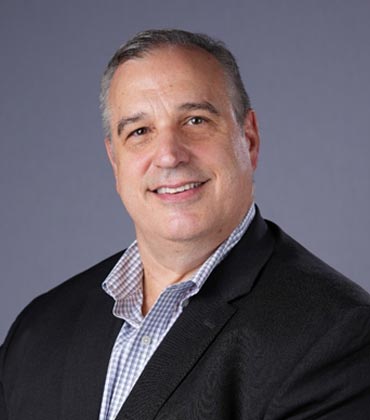
Paul DiFucci
Paul DiFucci is Senior Director of Transportation at Henry Schein, where he has overseen inbound and outbound freight operations for 14 years. A mechanical engineer who came to supply chain through UPS operations, a hedge fund COO role and retail, he leads one of the broadest transportation scopes in the organization.
Paul DiFucci’s route into leadership began behind the wheel of a UPS truck. A mechanical engineering graduate facing a difficult job market in 1987, he took a truck driving job. Within months, he moved into operations supervision, later moving between engineering and operations and reaching division manager level. After roles in financial and retail operations, he joined Henry Schein as a director 14 years ago and now serves as senior director of transportation. DiFucci’s role at Henry Schein spans from the point of origin to final delivery. He oversees global product movement into North American distribution centers (DCs) and out to customers across North America, the Caribbean, and Pacific Islands. Additionally, he manages carrier contracts, sets long-range strategy, tracks KPIs, and advises subsidiaries on transportation. The Thread that Runs Through Every Function Transportation touches every part of the supply chain, from suppliers and manufacturers to warehouse and customers. Since decisions in any of these areas can directly impact cost and service, DiFucci prioritizes proactive communication, encouraging teams to pick up the phone rather than discover problems after decisions are made. In his view, cross-functional teamwork is not a leadership nicety. It is an operational necessity, as silos generate failures that look operational but are actually coordination problems. Finance, marketing, sales, procurement and warehousing all need to know what transportation is planning and transportation needs to know what they are planning. The same principle shapes how he leads his own team. DiFucci identifies employees’ strengths, addresses weaknesses through training and gives people authority within their areas of responsibility. He believes even a wrong decision can be valuable when it builds judgment and confidence. His goal is to develop people who can make decisions rather than teams that wait for instructions. The disruptions following COVID reinforced another part of DiFucci’s approach: planning for volatility before it arrives. Instead of relying on a single normalized network, he maintains contingency options that can be activated when tariffs, weather, economic pressure or carrier constraints disrupt normal flows or on-time performance. When the truckload market tightened, Henry Schein shifted some shipments toward rail and intermodal options that it had rarely used before. The example reflects DiFucci’s view that flexibility needs to be planned in advance and supported by people empowered to act. Transportation is divided into inbound supplier shipments and outbound customer deliveries—with outbound receiving primary focus because it directly impacts customer satisfaction. To reflect true customer experience, on-time performance must include all delays, while internal KPIs must track metrics like cost per pound/carton and overall network efficiency. Technology That Earns Its Place Transportation has historically operated on fragmented data, with carriers measuring the same things under different names in different formats. DiFucci believes that data analysis can help determine the appropriate weight threshold for shifting shipments from small-parcel service to less-than-truckload shipping. He sees technology as a tool that must serve a clear purpose in improving service, reducing cost or both. He views AI as a major opportunity to analyze data and improve cost and service decisions, but cautions against adopting technology simply because it is new. His view on AI is grounded and deliberate. It will shift jobs the way the internet once did, making some roles obsolete, creating others. The companies that benefit will be those that deploy it against a specific problem rather than in pursuit of a trend. What Every Unexpected Role Taught DiFucci credits early informal mentors with teaching him to set clear expectations, leverage strengths, and build trust across functions. Because transportation acts as a single thread connecting the entire supply chain, cross-functional collaboration prevents uncoordinated decisions from causing network-wide cost and service delays. His advice to aspiring leaders is to understand both internal and external customers, be willing to learn and take opportunities that may not seem directly connected to their intended career path. His own move from engineering to truck driving and operations taught him frontline leadership lessons that he still applies across transportation and supply chain.
The articles from these contributors are based on their personal expertise and viewpoints, and do not necessarily reflect the opinions of their employers or affiliated organizations.
