
Thank you for Subscribing to Transportation Review Weekly Brief

accelerate360/McClatchy Retail Network
Troy Highland, Vice President of Transportation
Management, in Plain Terms: Built in Wartime, Proven in Business
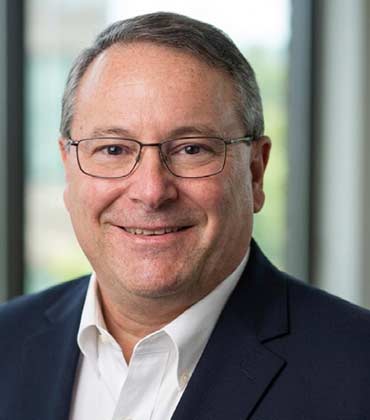
Troy Highland
My management style was shaped in two very different environments: leading soldiers as a wartime U.S. Army Transportation Corps officer and leading employees as a corporate transportation executive. The settings are worlds apart, but they share one: the mission is accomplished only through people.
In the military, leadership expands far beyond competency and decisiveness. It is largely demonstration. I learned early that you should never ask your soldiers to do something you cannot do—or at least cannot clearly show you are willing to do. Under wartime conditions, credibility isn’t a slogan; it’s earned in small moments: being present, sharing in discomfort, staying calm under pressure and stepping into hard work alongside your team when required. In that environment, alignment is high. Everyone is focused on the same outcome: living and winning. Civilian transportation leadership requires the same personal credibility, but the mechanism of influence changes. In corporate operations, people carry different motivations, pressures outside of work and definitions of success. That gap is especially visible in frontline roles like drivers, where each day is a real-world tradeoff among safety, time constraints, customer expectations and life realities. Because not everyone automatically shares the same outcome, I’ve found that effective leadership depends on articulating the “why”—why safety procedures matter, why service standards matter and why change is necessary—then tying those decisions back to a shared goal. The pace of change throughout my career also shaped the way I lead. In the Army, I changed jobs each year, each time with larger scope and more complex responsibility. That forced a steady cycle of learning; new peers, new subordinates, new superiors and new operating realities. Those transitions taught me to listen and observe, assess quickly, then lead larger. The civilian sector expanded that lesson in a different way. I now lead across a much wider age range, from people fresh out of school to those nearing retirement. That diversity is strength, but it defies a one-size-fits-all approach. Some people want direct coaching and frequent feedback. Others just want room to execute. My job is to keep contributions to the team consistent while tailoring communication and support to the individual. And then there’s the corporate constant; change at scale.I push for improvement you can measure through cleaner, faster, actionable KPIs. “New” isn’t automatically “better,” but improvement is not optional.
The articles from these contributors are based on their personal expertise and viewpoints, and do not necessarily reflect the opinions of their employers or affiliated organizations.
