
Thank you for Subscribing to Transportation Review Weekly Brief

Lincoln Consolidated Schools
Jason Fredenburg, Director of Transportation
Rebuilding School Transportation Through Driver Retention
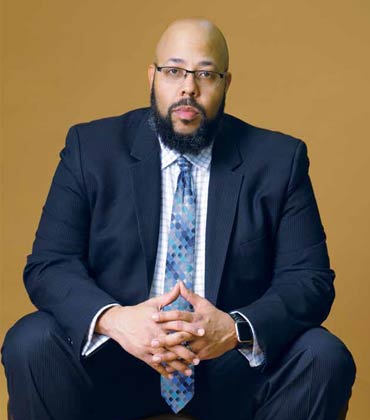
Jason Fredenburg
Jason Fredenburg has led transportation operations across Michigan school districts before taking the director role at Lincoln Consolidated Schools. He is an active member of the Michigan Association for Pupil Transportation, contributing to policy and funding discussions beyond his district.
Jason Fredenburg took over Lincoln Consolidated Schools’ transportation department at a difficult point. Two to three routes were being canceled every day and 38 employees had left within three years. Morale had deteriorated, revealing a problem that extended beyond staffing. Fredenburg addressed the underlying culture, rebuilding trust and stability across the department. His approach has since strengthened the department’s workforce and restored dependable service. The cultural reset started with everyday interactions. Fredenburg held connectivity days, shared meals with employees, while staff organized monthly potlucks to build relationships beyond the work. He announced birthdays over the radio and gave staff suggestion boxes to raise concerns. He also addressed compensation and staffing to give employees greater security in their roles. Turning Retention Into Reliability Compensation also became part of the retention strategy through negotiations with the union. Lincoln’s drivers, bus monitors and mechanics are unionized, and the district guarantees six hours of work per day, making their positions full-time with medical, dental and vision benefits and a retirement plan. He also built a bench of 10 full-time substitutes to absorb seasonal absenteeism. The operational gains are equally visible. The department no longer cancels routes and now handles all field trips in-house without charter buses or outside contracts. Fredenburg sees the same lesson in recruitment. Treat people well, and they talk. That word-of-mouth has become a more effective source of new drivers than job fairs alone. Safety Technology Meets Driver Judgment For Fredenburg, dependable transportation starts with keeping students and drivers safe on rural roads. Lincoln operates in a district where roads carry traffic at 50 to 55 miles per hour, so he made one rule clear. No student should ever have to cross a road. Live-view cameras on every bus let the transportation office see what is happening in real time. Student bus badges track each boarding and exit, while parents receive automatic text updates. Staff members also undergo crisis prevention training and maintain CPR and first aid certifications, giving them the skills to respond when students need help. Route accuracy requires constant adaptation to shifting enrollment, new housing and inter-city trips for technical trade programs. TransFinder’s RouteFinder Plus optimizes routes for time, mileage and fuel efficiency. The software provides a starting point, while drivers contribute the real-world knowledge that refines it. When a driver flags a turnaround that does not work, the route is adjusted, reflecting Fredenburg’s approach of listening to the people who know the work firsthand. Technology Decisions Built for Lincoln’s Needs Lincoln’s long rural routes and Michigan’s cold winters also shape Fredenburg’s approach to electric buses. Nearby districts have found that some electric buses cannot complete an afternoon route without recharging. Rather than pursuing the technology simply because funding is available, he first considers whether it fits the district’s long rural routes and winter conditions. The cost of keeping a fleet running is another area where Fredenburg works closely with his garage manager on tires, oil and maintenance decisions. His garage manager made the decision to use a full synthetic blend to stretch service intervals, reflecting the collaborative approach Fredenburg brings to the department. As EPA diesel expectations change in 2027, he wants the district to be ready for the costs before they arrive. “The best form of recruitment and retention is treating the current staff that you have exceptionally well, paying them exceptionally well.” His influence extends beyond the district through the MAPT, where Fredenburg serves as a board member and Region 12 representative. The role brings him into broader discussions involving Michigan pupil transportation policy, funding and operational challenges. Fredenburg’s work at Lincoln reflects a broader approach to school transportation leadership. He has treated employee relationships, student safety, technology decisions and longterm planning as connected parts of the job rather than separate priorities. Much of that progress comes from a staff whose knowledge, ideas, effort and commitment keep the department moving.
The articles from these contributors are based on their personal expertise and viewpoints, and do not necessarily reflect the opinions of their employers or affiliated organizations.
