
Thank you for Subscribing to Transportation Review Weekly Brief

DM Construction
Alex Sawyer, Logistics Manager
Optimizing Construction Logistics through Strategic Coordination
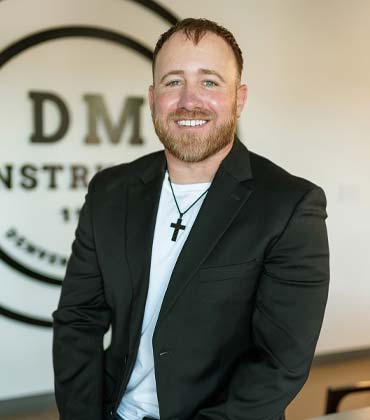
Alex Sawyer
Balancing Proactive Planning with Day-to-Day Flexibility
In construction, priorities can change quickly. I have learned that good logistics requires both planning and flexibility. My responsibility is to make sure our field teams have the equipment, materials, vehicles and support they need without allowing every request to become an emergency. One practice that has worked well for us is having a scheduled meeting every Friday where we look roughly two weeks ahead and identify major equipment moves, deliveries and upcoming project needs. This gives logistics time to coordinate resources rather than reacting at the last minute. We then follow up on that schedule every day during our 4:00 PM operations call to address anything that has changed or come up. Planning ahead also allows me to identify when multiple projects may need the same trucks, drivers or equipment. That gives us time to prioritize and coordinate those resources across the company. Construction rarely goes exactly according to schedule, so combining a two-week outlook with daily communication allows us to stay organized while remaining flexible. Ensuring Equipment Accountability across Projects Organization, visibility and accountability are critical. I use equipment trackers to maintain visibility of our assets across projects, along with maintenance schedules for equipment such as our concrete pumps and mixers. Preventive maintenance helps us stay ahead of potential issues rather than waiting for a breakdown to affect a project. We also use CompanyCam for our cargo delivery reports. When equipment is moved between projects, those reports document what was transported, where it went and who moved it. That is especially valuable when I cannot physically oversee every delivery myself. It gives me visibility into our operation while also helping ensure our drivers and loads remain DOT compliant. “My military experience taught me that leadership starts with accountability and leading from the front. I believe in setting the example, taking ownership and never asking my team to do something I would not be willing to do myself.” Utilization is just as important as location. If equipment is sitting unused on one project while another project needs it, I want to identify that before we spend money on an unnecessary rental or additional equipment. My goal is to always have a clear picture of what we have, where it is, its condition and where it needs to go next. Turning Logistics Challenges into Coordinated Solutions Unexpected changes are part of construction logistics. Trucks break down, deliveries get delayed, equipment has maintenance issues, and project schedules can change with very little notice. The first thing I try to determine is what we can control and how quickly we can develop another solution. Having strong relationships with vendors, equipment rental companies, trucking companies and mechanics is extremely valuable. If equipment goes down or a project suddenly needs something we do not have available internally, those relationships give us options. That may mean transferring equipment from another project, adjusting a delivery schedule, renting equipment temporarily or utilizing one of our outside partners. Communication and transparency are also extremely important. I would rather communicate a problem immediately and develop a realistic plan than say everything is fine and create a larger problem later. The sooner everyone has accurate information, the sooner we can work together on a solution. Balancing In-House Logistics with Third-Party Transportation One trend I believe will continue to grow is knowing when to utilize third-party transportation rather than trying to handle every move internally. There are times when outsourcing a larger or specialized equipment move to a qualified transportation provider can save time and money while helping manage operational risk. Our internal fleet handles much of our day-to-day logistics, but certain larger moves are better suited for qualified third-party trucking companies with the appropriate equipment and drivers. Instead of maintaining specialized trucks and CDL drivers for moves that may only occur periodically, we can bring in the right transportation partner when the need arises. I also believe technology and asset visibility will continue to have a major impact. Better tracking of vehicles, equipment, maintenance, utilization, and transportation costs allows logistics professionals to make better decisions about whether something should be moved internally, outsourced, rented, repaired, replaced, or purchased. Construction logistics is increasingly about evaluating total cost and risk rather than simply asking, ‘Can we do this ourselves?’ Advice for Construction Logistics Professionals Learn the field before trying to change it. Construction logistics looks very different on a spreadsheet than it does at 6:00 in the morning when a crew is waiting for material or equipment. Build relationships with the people actually doing the work—drivers, warehouse employees, foremen, project managers, vendors and mechanics. They will teach you things you won’t learn sitting behind a desk. I would also tell someone starting out to take ownership. Mistakes and unexpected problems are going to happen. Be transparent about them, learn from them and focus on finding the solution rather than assigning blame. Finally, understand the business side. Logistics decisions affect labor, project schedules, equipment costs, fleet expenses and ultimately profitability. The more you understand how your decisions affect the entire company, the more valuable you become.
The articles from these contributors are based on their personal expertise and viewpoints, and do not necessarily reflect the opinions of their employers or affiliated organizations.
