

Thank you for Subscribing to Transportation Review Weekly Brief
This article is part of Transportation Review's Insights series featuring expert contributions nominated by our subscribers and reviewed by our editorial team.
The moving industry is undergoing a significant transformation. While the fundamental goal remains the same, helping individuals, families, and businesses relocate safely and efficiently, the expectations surrounding that experience have changed dramatically. Today's customers demand greater transparency, faster communication, and a higher level of professionalism than ever before.
For moving companies, this shift presents both an opportunity and a responsibility. Those willing to embrace innovation while maintaining a steadfast commitment to customer service will be well positioned for the future. Those that rely solely on traditional methods may find it increasingly difficult to meet evolving consumer expectations.
One of the most noticeable changes has been the way customers evaluate moving companies. Years ago, many decisions were based primarily on price. Today, consumers are more informed and conduct extensive research before choosing a provider. They read online reviews, verify licensing, compare reputations, and expect clear communication from their very first interaction with a company.
This evolution is healthy for the industry. It encourages legitimate moving companies to invest in better processes, stronger customer service, and greater accountability while helping consumers make more informed decisions during one of life's most important transitions.
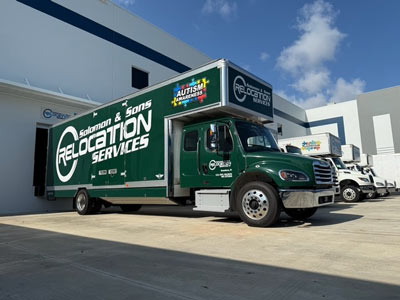 Technology has become one of the primary drivers of this evolution. Digital surveys, electronic inventories, real-time shipment tracking, online document management, and automated customer communication have significantly improved both operational efficiency and the customer experience. Artificial intelligence is also beginning to play an increasingly meaningful role, helping companies optimize routing, forecast capacity, improve scheduling, and provide faster responses to customer inquiries.
However, technology should never replace the human element of moving.
Unlike many other logistics services, moving is deeply personal. Families are entrusting a company with the contents of their home, their memories, and often years of accumulated possessions. Businesses are relying on experienced professionals to relocate operations with minimal disruption. These situations require empathy, communication, and trust, qualities that technology can support but never fully replace.
Another challenge facing our industry is maintaining public confidence. Unfortunately, misleading advertising, unrealistic pricing practices, and fraudulent operators have created skepticism among many consumers. Reputable moving companies have an obligation to raise the standard by providing transparent estimates, educating customers about the moving process, and ensuring expectations are established long before moving day.
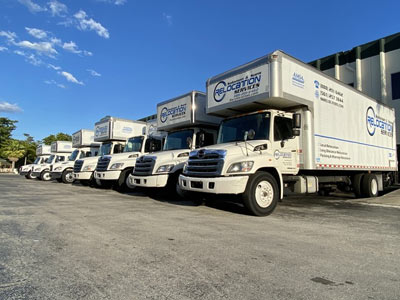 Transparency has become one of the most valuable assets a moving company can offer. Clear pricing, accurate inventories, honest communication, and proactive updates throughout every stage of a relocation help reduce uncertainty and build lasting customer relationships. In an increasingly competitive marketplace, trust has become just as important as operational excellence.
The industry also continues to navigate broader economic pressures, including rising equipment costs, insurance premiums, labor shortages, and evolving regulatory requirements. These challenges require companies to operate more efficiently while continuing to invest in employee development and customer service. The organizations that succeed will be those that recognize their employees as one of their greatest competitive advantages. Well-trained, professional crews not only protect customers' belongings, they represent the company's reputation with every move they complete.
Looking ahead, I believe artificial intelligence, predictive logistics, and data-driven decision-making will continue to improve how moving companies operate behind the scenes. Better forecasting will help optimize fleet utilization, reduce unnecessary travel, improve scheduling accuracy, and create a more seamless customer experience. Customers will increasingly expect digital visibility into every stage of their move, from initial estimates through final delivery.
Yet even as technology continues to evolve, the defining characteristic of exceptional moving companies will remain unchanged: trust.
No software can replace integrity. No automated system can substitute for a professional crew that communicates clearly, arrives prepared, and treats every home with care and respect. Technology should enhance these human qualities—not replace them.
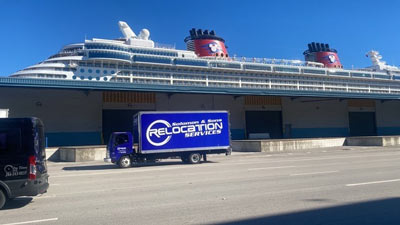 The future of the moving industry belongs to companies that understand this balance. Innovation is essential, but it must be paired with accountability, professionalism, and an unwavering commitment to the customer experience. Businesses that embrace both technological advancement and service excellence will not only earn stronger reputations, they will help elevate the standards of the entire industry.
As our industry continues to evolve, we have an opportunity to redefine what customers expect from a professional moving company. By prioritizing transparency, investing in our people, embracing responsible innovation, and remaining focused on the customer, we can build greater confidence in our industry and deliver an experience that reflects the importance of every move.
For moving companies, this shift presents both an opportunity and a responsibility. Those willing to embrace innovation while maintaining a steadfast commitment to customer service will be well positioned for the future. Those that rely solely on traditional methods may find it increasingly difficult to meet evolving consumer expectations.
-
Technology can improve how we move people, but trust is what earns the opportunity to move their lives. The future belongs to companies that combine innovation with integrity.
One of the most noticeable changes has been the way customers evaluate moving companies. Years ago, many decisions were based primarily on price. Today, consumers are more informed and conduct extensive research before choosing a provider. They read online reviews, verify licensing, compare reputations, and expect clear communication from their very first interaction with a company.
This evolution is healthy for the industry. It encourages legitimate moving companies to invest in better processes, stronger customer service, and greater accountability while helping consumers make more informed decisions during one of life's most important transitions.
Technology has become one of the primary drivers of this evolution. Digital surveys, electronic inventories, real-time shipment tracking, online document management, and automated customer communication have significantly improved both operational efficiency and the customer experience. Artificial intelligence is also beginning to play an increasingly meaningful role, helping companies optimize routing, forecast capacity, improve scheduling, and provide faster responses to customer inquiries.However, technology should never replace the human element of moving.
Unlike many other logistics services, moving is deeply personal. Families are entrusting a company with the contents of their home, their memories, and often years of accumulated possessions. Businesses are relying on experienced professionals to relocate operations with minimal disruption. These situations require empathy, communication, and trust, qualities that technology can support but never fully replace.
Another challenge facing our industry is maintaining public confidence. Unfortunately, misleading advertising, unrealistic pricing practices, and fraudulent operators have created skepticism among many consumers. Reputable moving companies have an obligation to raise the standard by providing transparent estimates, educating customers about the moving process, and ensuring expectations are established long before moving day.
Transparency has become one of the most valuable assets a moving company can offer. Clear pricing, accurate inventories, honest communication, and proactive updates throughout every stage of a relocation help reduce uncertainty and build lasting customer relationships. In an increasingly competitive marketplace, trust has become just as important as operational excellence.The industry also continues to navigate broader economic pressures, including rising equipment costs, insurance premiums, labor shortages, and evolving regulatory requirements. These challenges require companies to operate more efficiently while continuing to invest in employee development and customer service. The organizations that succeed will be those that recognize their employees as one of their greatest competitive advantages. Well-trained, professional crews not only protect customers' belongings, they represent the company's reputation with every move they complete.
Looking ahead, I believe artificial intelligence, predictive logistics, and data-driven decision-making will continue to improve how moving companies operate behind the scenes. Better forecasting will help optimize fleet utilization, reduce unnecessary travel, improve scheduling accuracy, and create a more seamless customer experience. Customers will increasingly expect digital visibility into every stage of their move, from initial estimates through final delivery.
Yet even as technology continues to evolve, the defining characteristic of exceptional moving companies will remain unchanged: trust.
No software can replace integrity. No automated system can substitute for a professional crew that communicates clearly, arrives prepared, and treats every home with care and respect. Technology should enhance these human qualities—not replace them.
The future of the moving industry belongs to companies that understand this balance. Innovation is essential, but it must be paired with accountability, professionalism, and an unwavering commitment to the customer experience. Businesses that embrace both technological advancement and service excellence will not only earn stronger reputations, they will help elevate the standards of the entire industry.As our industry continues to evolve, we have an opportunity to redefine what customers expect from a professional moving company. By prioritizing transparency, investing in our people, embracing responsible innovation, and remaining focused on the customer, we can build greater confidence in our industry and deliver an experience that reflects the importance of every move.
MORE FROM INNOVATION INSIGHTS

All Chemical Transport
Anthony Coruccini, COO
All Chemical: Leading the Way With a New Standard of Transportation with Chief Operating Officer, Anthony Coruccini.
Shipco Transport
Ryan Murphy Vice President, U.S. Inland & E-Commerce; Nishi DeMond General Manager, Domestic
First and Final Mile Solutions for Air and Ocean Freight Shipments


Chief Capital Corp
Adrian Cormick, Chief Operating Officer
One Mission, One Standard: Raising the Bar Across Aviation and Corporate Security
EXPLORE OUR KNOWLEDGE NETWORK
The articles from these contributors are based on their personal expertise and viewpoints, and do not necessarily reflect the opinions of their employers or affiliated organizations.
