
Thank you for Subscribing to Transportation Review Weekly Brief

Shawn Leon-Guerrero
Director, Supply Chain Management, Logistics & Systems, Hawaiʻi Pacific Health
Connecting Hawaii with Healthcare Logistics
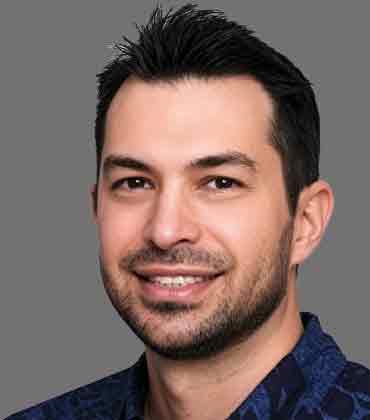
With a bachelor’s from Pacific University and an MBA from Chaminade University, Shawn Leon-Guerrero developed an interest in healthcare during his analyst career. He joined Hawaiʻi Pacific Health 12 years ago and leads with data, guided by human judgment.
Hawaii sits among the most isolated landmasses on Earth, and for a healthcare organization, that isolation leaves little room for a logistical error. Every product in the supply chain goes toward patient care, and in Hawaii’s small island community, where everyone knows everyone, the patient is rarely a stranger. At any given moment, someone the team knows could be in the hospital. The team therefore thinks about the kind of care they would want their own friends and family to receive, ensuring patients have the best products possible and enough supplies. In the past five and a half years, the team has not had to delay patient care because of a logistical mistake. Leon-Guerrero addresses every member of his team as a healthcare professional regardless of their title or badges, since each role is critical to patient care. When selecting leaders, he reviews a candidate’s full work history for a record of success in every role held. Most of his leaders had not held leadership positions before, but they had stood out in their earlier roles, demonstrated sound decision-making and earned their colleagues’ respect. He believes people with such a record deserve a shot at leadership, and the approach has paid off so far. Culture forms the base of his leadership. He wants team members to feel valued, trusted and empowered. This dedicated leadership team includes Purchasing Manager Kahealani Dunn, Warehouse and Transportation Manager Christopher Palilio, Planning and Analytics Manager Tyler Diamond, Material Management Information Systems Manager Maia Phanthadara, and VP of Supply Chain David Stumbaugh. Leon-Guerrero credits his achievements to the brilliance of their work and says he could not accomplish anything without them. He advises peers in the field that a team, and especially its leadership, is the most important asset. Once engaged and highperforming people are in place, processes and procedures follow naturally. Leon-Guerrero hopes those who work with him will remember that building a team with people more talented than oneself makes everyone successful. Proactive Supply Planning Among the processes Leon-Guerrero’s team has built is a critical items list, designed so that shortages do not reach patients. Healthcare supply chains are volatile. Natural disasters, geopolitical events, mergers and acquisitions, and, more recently, cyberattacks can each halt operations and cut off the supplies patients depend on. To defend against these disruptions, the list flags the supplies to monitor most closely. It combines five metrics into a single critical score. The metrics are average lead time, par location count, total annual usage, total annual spend and location, with procedural areas such as the operating room and cath labs weighted higher. The list covers the top 200 stock-keeping units. For each of those items, the team knows how much stock is on the island and which clinical substitute is approved if a back order runs long. To check that supply is adequate, the team compares inventory levels against the surgical calendar to anticipate the needs of upcoming procedures. If a shortage looms, the team finds a substitute, another vendor or any other workable solution. He considers it important for colleagues across the organization to understand the challenges of supplying an island so they can plan for them. He works with partners to keep enough product on the island and in the pipeline headed toward it.We at Hawaiʻi Pacific Health are on a constant quest to have a world-class logistics and supply chain operation.
