
Thank you for Subscribing to Transportation Review Weekly Brief

Ben Winovich
Director of Logistics, Aonair Winery & Caves
The Same Standard in Every Bottle
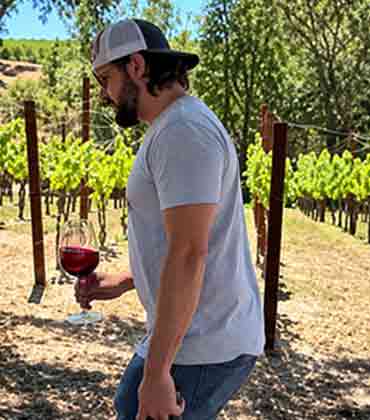
Ben Winovich brings hands-on experience in wine logistics to Aonair Winery & Caves. As Director of Logistics, he manages warehouse operations, inventory, production workflow and shipping across Aonair and its sibling wine brands Reverie II and Blue Oak Winery, with a focus on protecting every bottle in transit. His approach connects operational discipline with a relationship-first leadership style, helping Aonair build careful, trusted and people-centered practices that his team can carry forward. That ability to pair dependable logistics execution with leadership grounded in relationships earned him recognition as one of the Top 10 Logistics Directors 2026.
Protecting What’s in the Bottle Wine, in Winovich’s own words, is a living product. Heat damages it. Frost damages it. A crushed label or a dented case can undo months of careful work before a bottle ever reaches a customer. Every choice he makes about shipping and handling starts from that fact. Aonair winery produces around 6,000 cases a year, small by industry standards and every one of those cases carries the same risk whether it travels five miles or five hundred. Age verification adds another layer, since only an adult can sign for an alcohol shipment and a missed delivery often means a return, a delay or a disappointed customer. None of that is background noise to Winovich. It sits at the center of what his team does every single day and he holds the same standard for a single bottle that he holds for a full pallet. Partnerships Built on Respect Moving that product from the winery to the customer’s door depends on a small internal team of 24-25 people and external logistics partners. Winovich frames those partnerships as a two-way exchange, not a vendor relationship. Each side brings something the other needs and he expects his team to treat that exchange with the same respect they would bring to a colleague down the hall. He prefers face-to-face contact over long-distance coordination, choosing carriers who know the West Coast routes his wine actually travels, not a distant call center on the other side of the country. That preference reflects a wider belief he holds about the business as a whole. Strong relationships, built in person and maintained with respect, hold up better under real pressure than any contract on paper ever could. Leading Like Family than a Corporation Give a man a fish and he eats for a day. Teach him and he eats for a lifetime. Winovich learned that lesson from his own family long before he ever ran a logistics team and it still shapes how he manages every single project he touches today. Aonair has no corporate structure to lean on. Winovich and his team built their own, piece by piece, out of necessity, not a manual. That structure runs on emotional intelligence as much as it runs on technical skill and Winovich treats the two as inseparable. When someone on his team starts falling behind, his first move is to ask what they need. Piling on pressure never enters into it. People who feel supported outwork people who feel watched and Winovich has built his whole management style around that one belief. Taking a Step Back Logistics rarely earns praise for going right. A shipment arrives safely and the job simply continues. Winovich has made peace with that imbalance. What he refuses to accept is a leadership style built on blame, the instinct to come down hard the moment something goes wrong. His advice to anyone entering the field centers on one idea, staying steady when something breaks and setting judgment aside first. Problems will happen. What matters is how a leader responds to them.